When the sun rose over the hills of Mutulani Village, Makueni County, the heartbeat of the village echoed through its three central institutions the primary school, the secondary school, and the dispensary, their lifeline, clean and safe water was missing.
For decades, the people of Mutulani depended on water from nearby dams, often murky and unsafe. Despite the visible risks, it was the only option. The local dispensary, a vital hub for maternal and child health, struggled to stay clean. Staff were forced to purchase water from vendors, a costly and unsustainable effort that threatened the facility’s ability to provide dignified healthcare.
That all began to change in 2013 when PEN Kenya stepped in with a transformative initiative with an aim to bring water closer to Mutulani community. Designed to serve the village’s most critical institutions, the water project became more than a pipeline it became a lifeline.
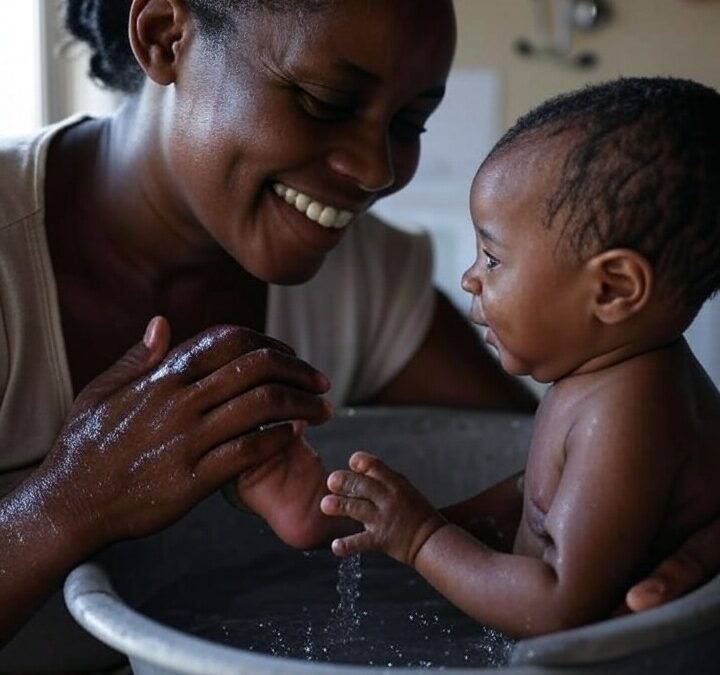
“Before the water project, we used to buy water in from vendors just to clean the facility,” recalls Faith Mutiso, a nurse at Mutulani Dispensary. “It was difficult, especially in the maternity ward. But now, mothers can use clean water before and after delivery it has brought both hygiene and dignity.”
Today, the dispensary is not only cleaner, but safer for patients. The maternity unit now operates with reliable access to water, a basic necessity that has transformed care for expectant mothers. See the video link https://youtu.be/rjB4LXNVJV0
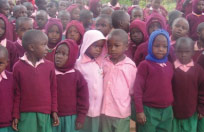
The clean water also serves the future of Mutulani, its children. At both the primary and secondary schools, students drink and wash with clean water, cutting down on waterborne diseases that once kept them home.
A decade since its inception, the water project stands as a quiet triumph in Mutulani. It’s not just about pipes and tanks, it’s about mothers giving birth in clean environments, children learning without illness, and a village reclaiming its health and hope.
By Jared Ombonya and Derrick Wesley